Political, cultural or technological happenings
10 Turning Points in Dance Music History
Dance music as we know it has gone through so many phases that you don’t need to look far back to see a totally different landscape.
We thought about 10 of the turning points that have been most important or interesting to us. They are complex, political, cultural or technological happenings with much more depth than we can describe in a short blurb, so for each listing we have included a link to some further reading, listening or watching.
1967 – Marine Offences Act
What we consider pirate radio nowadays usually involves someone climbing to the top of a tower block, planting an aerial and playing some jungle or grime records on whichever vacant frequency they can hijack. But, once upon a time, the term “pirate,” really meant pirate.
Radio Caroline was the first, and best known, pirate radio station. It launched in 1964 on a ship off the coast of Essex, meaning it operated outside the UK’s jurisdiction and escaped the government’s heavy regulations on broadcasting (the government at the time equated playing pop music all day to having the pubs open all day).
The pirate radio years were hugely influential in introducing new sounds and ideas to the post-war youth. On August 14th 1967, the government – unable to directly ban these ships from transmitting – made it illegal for British citizens to work with these stations.
Watch: Richard Curtis’ film The Boat That Rocked.

1976 – Opening of Paradise Garage
Paradise Garage was a beacon of liberation and expression for New York’s queer community. A place for divas, queers, freaks and dancers of all backgrounds to party through the night. Larry Levan, a cult tastemaker who broke many a now-classic record there, would re-define what it meant to be a DJ, throwing down all night on a custom-made Richard Long sound system. We can only dream of what a night at the Garage must have been like, but luckily there are a few mixes and documentaries which help to paint the picture.
Watch: Maestro
Listen: Larry Levan Live At The Paraside Garage (1979)

1979 – Disco Demolition Night
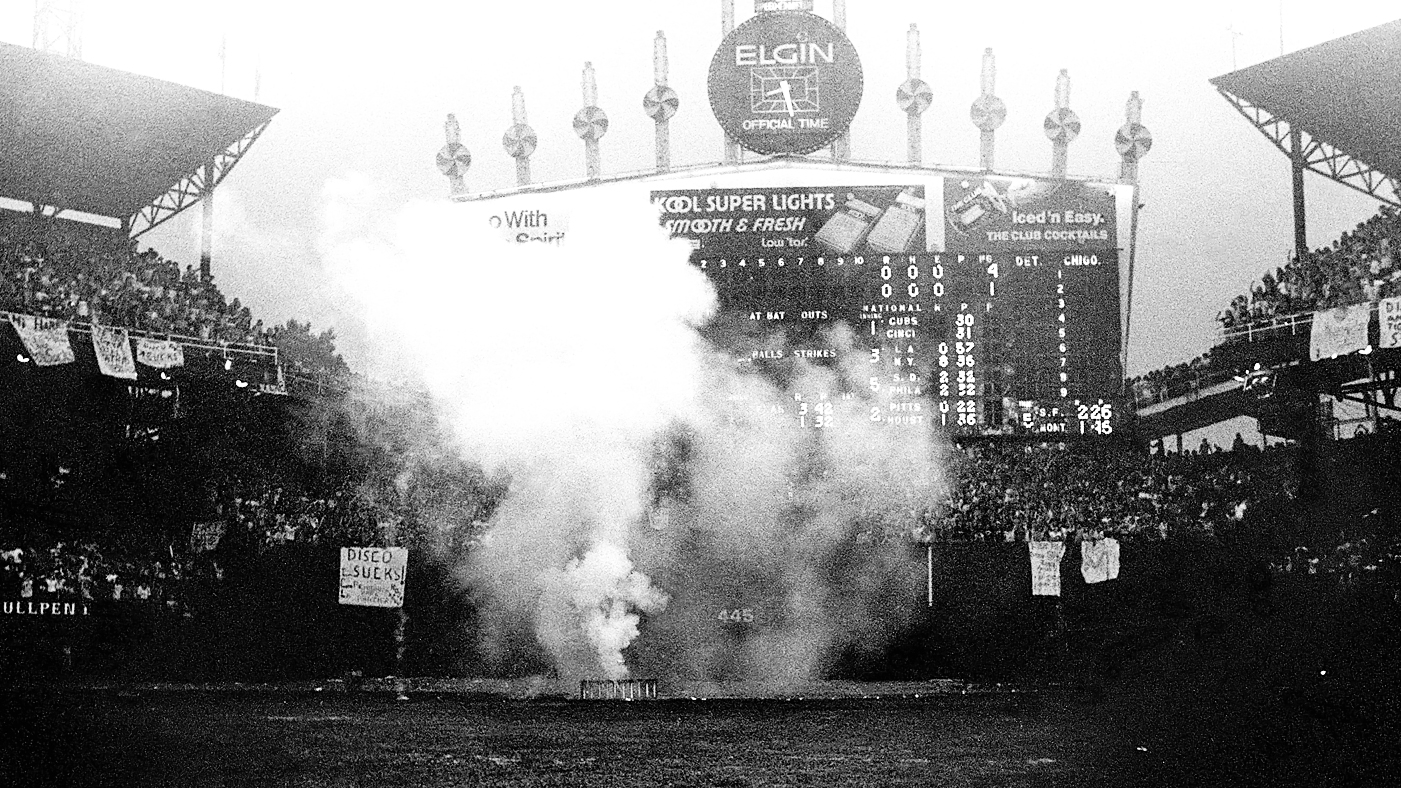
Most literally, Disco Demolition Night refers to July 12th 1979, when a radio presenter called Steve Dahl encouraged thousands of people to bring disco records to the Chicago baseball stadium, Comiskey Park, and watch as he detonated them on the field. On a bigger picture level, it refers to the start of the end for disco, at least for the mainstream. Disco Demolition Night was said to be an attack on disco, in support of Rock n’ Roll, but has since been generally regarded as having racially fuelled motives, rooted in a hatred for disco’s success and that of the Black folk who were making the music.
Watch: Red Bull Music Academy The Note
1980 – Roland create the 808
Afrika Bambaataa “Planet Rock,” Marvin Gaye “Sexual Healing,” Chaka Khan “I Feel For You,” A Guy Called Gerald “Voodoo Ray,” The S.O.S Band “Just Be Good To Me,” pretty much anything by Egyptian Lover and, of course, Kanye West’s album 808’s & Heartbreak… the list goes on and on.
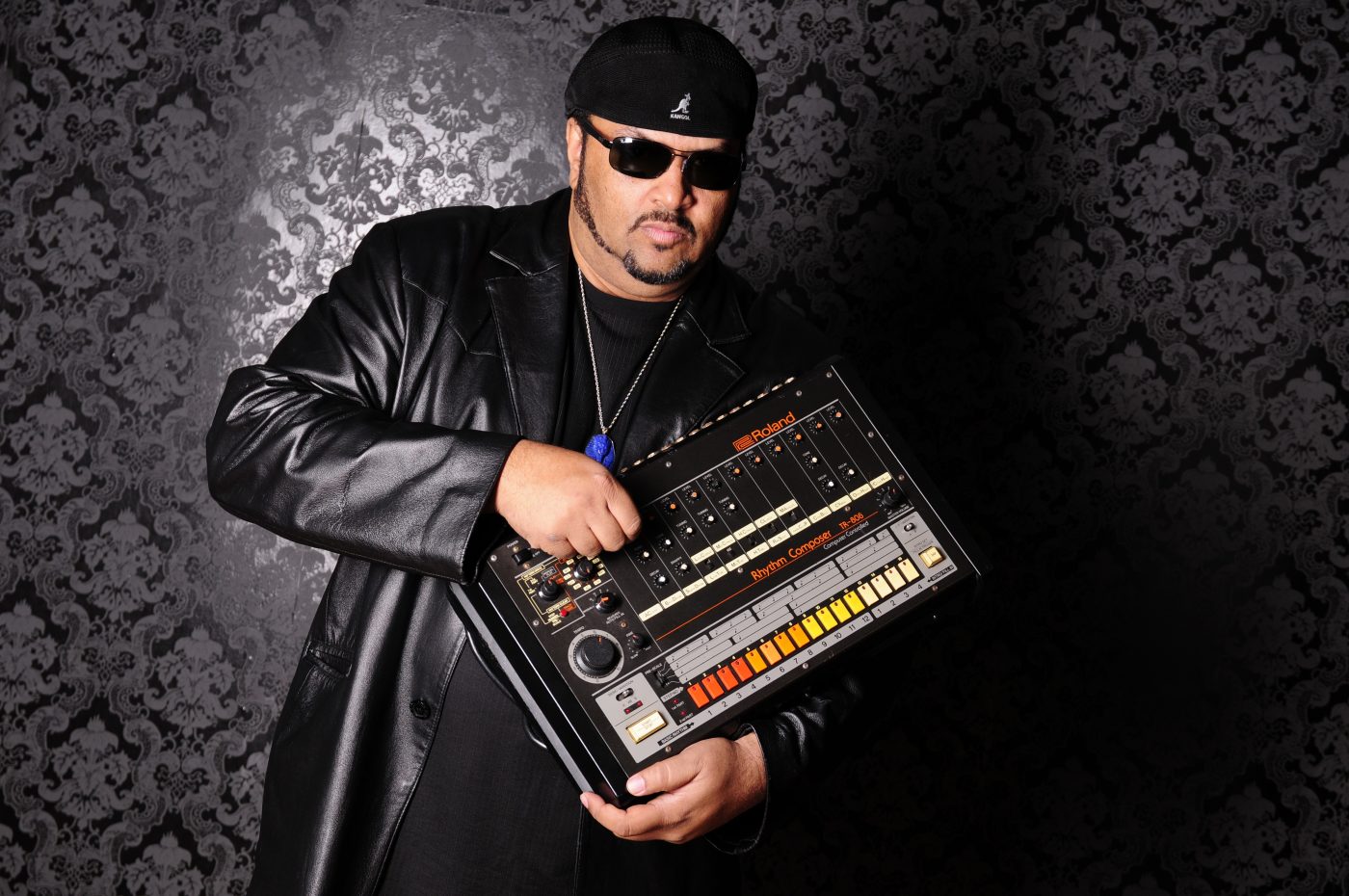
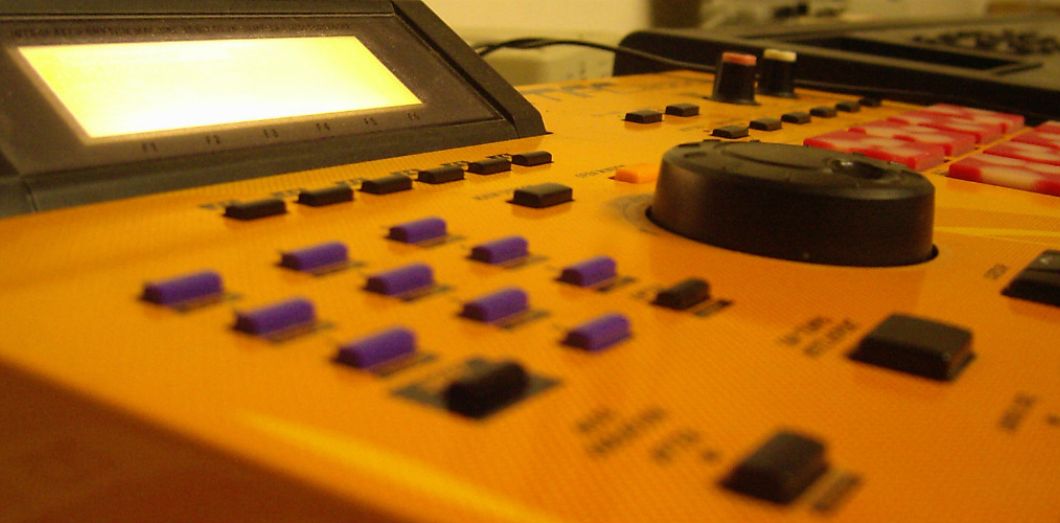
When the Japanese manufacturer Roland released the TR-808 Rhythm Composer in 1980, they could hardly have imagined it would have such a huge and lasting impact on the electronic music scene. Its sounds—which include a bass drum, cowbell, rimshot, hi-hats, snare, clap and clave—are iconic. The same can be said for the acid-defining 303 and the techno powerhouse 909, but for us the 808 is the ultimate. Ricardo Villalobos says it best: the 808 is the “Bass Queen.”
Listening: Roland’s Official 808 Playlist
1982 – Invention of the CD
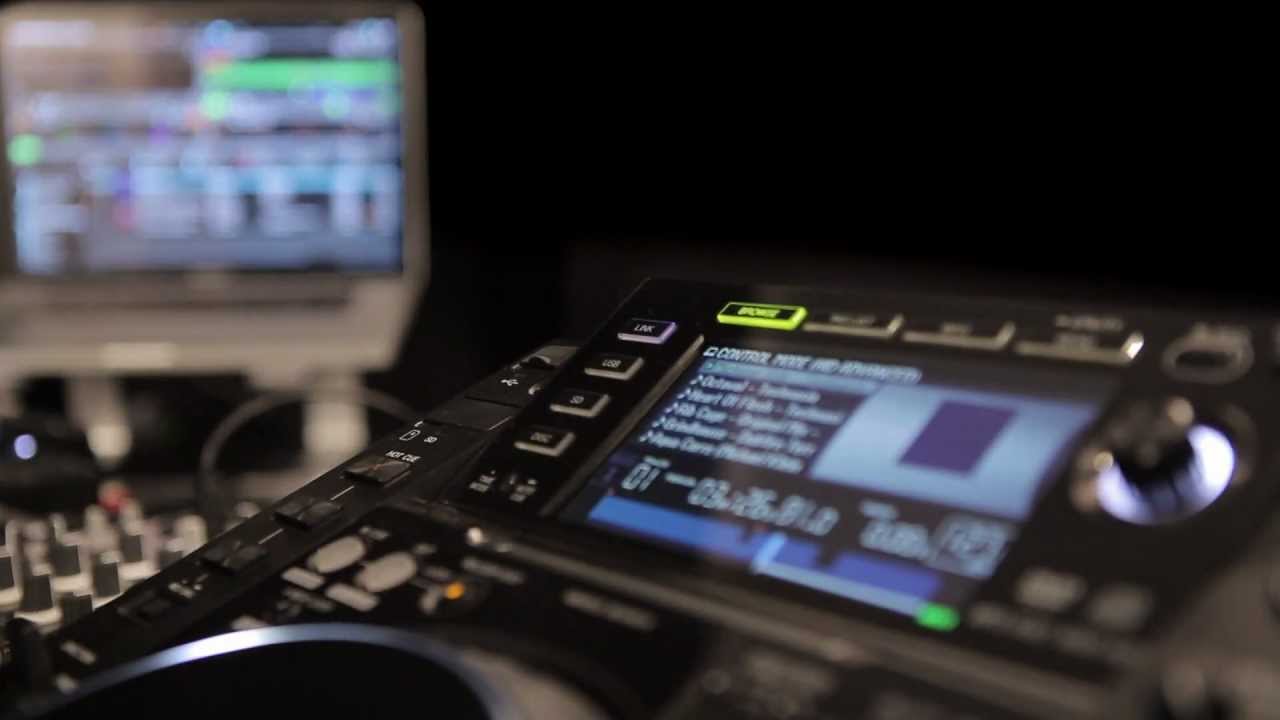
The invention of the CD was huge for any music lover, but nowhere was its effect felt more than in the DJ booth. It started a transition which has led to DJs playing off iPads and the days of having an apprentice carry your record box left far behind. Practically speaking, the CD was the best thing since sliced bread. DJs could carry ten times more music than before, without sacrificing their back or their savings. They could also now do spinbacks without destroying their records, loop the tracks or play unreleased music without forking out for a dubplate.
The CD made the entry level into DJing far lower, democratising the artform and (eventually) allowing anyone to have a go. It’s a beautiful thing that more people have the chance to express themselves behind the decks, but you know that old nugget of wisdom that says you need to practise something for 1000 hours before you’re ready? Well that’s gone out the window.
Anyway, in 2020, having the vinyl vs. digital debate is the dance music equivalent of old man yells at cloud, so let’s move on.
1990 – Fall of the Berlin Wall
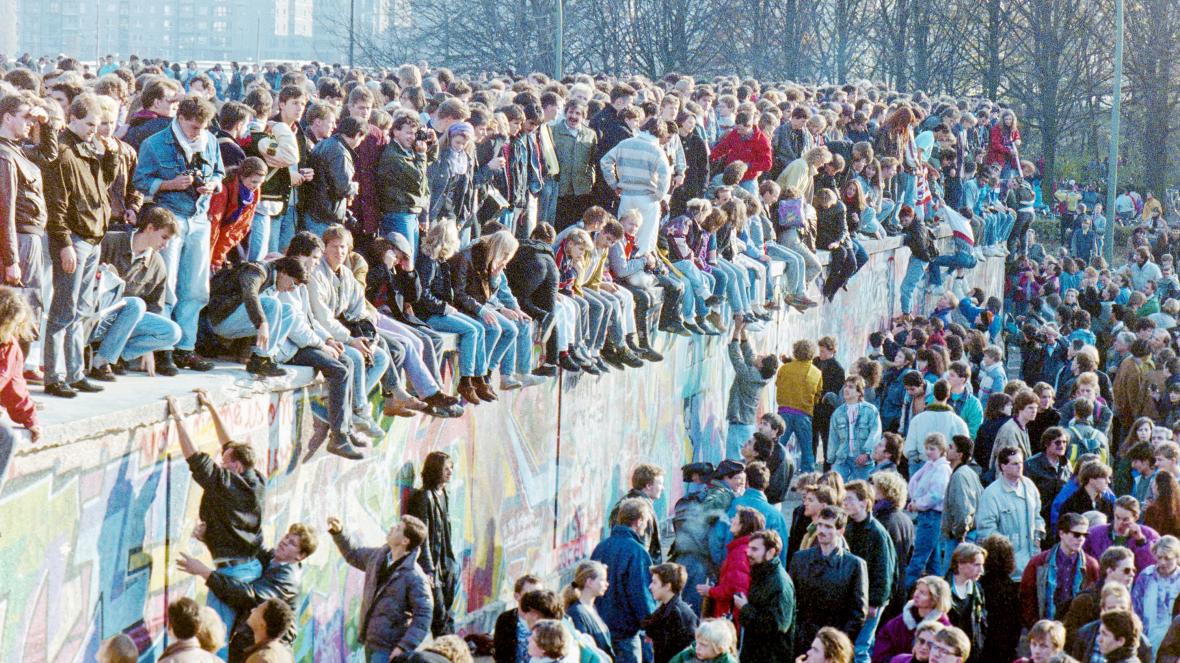
Just over 30 years ago, the fall of the Berlin wall triggered a musical and cultural revolution in the German capital. Young people flooded to clubs like E-Werk and Tresor, fuelled by the joy of reunification and the dawn of a new era. The city was full of abandoned buildings and spaces, which would soon become clubs and shape the industrial aesthetic of the scene.
Read: Der Klang Der Familie: Berlin, Techno And The Fall Of The Wall
1991 – Court Case (Grand Upright Music, Ltd. v. Warner Bros. Records Inc.)
Many court cases have contributed to the complex system of copyright statutes which protect artists’ creations today. Sampling has been a cornerstone of music (not just electronic music), since the 1940s. It came to be most prominent in hip hop, when whole albums would often be founded on the reconstructed work of others. As this music became more commercial, something had to give. Grand Upright Music, Ltd. v. Warner Bros. Records Inc. is a landmark case in sampling history, as it deemed sampling to be copyright infringement once and for all, meaning samplers would now need the written permission of the original creator. Songwriter Gilbert O’Sullivan sued rapper Biz Markie after he sampled O’Sullivan’s “Alone Again (Naturally)”, and O’Sullivan won. Artists still find ways around this ruling, but it set a precedent which still stands today.
Read: Rolling Stone’s Songs On Trial
1994 – The Criminal Justice and Public Order Act
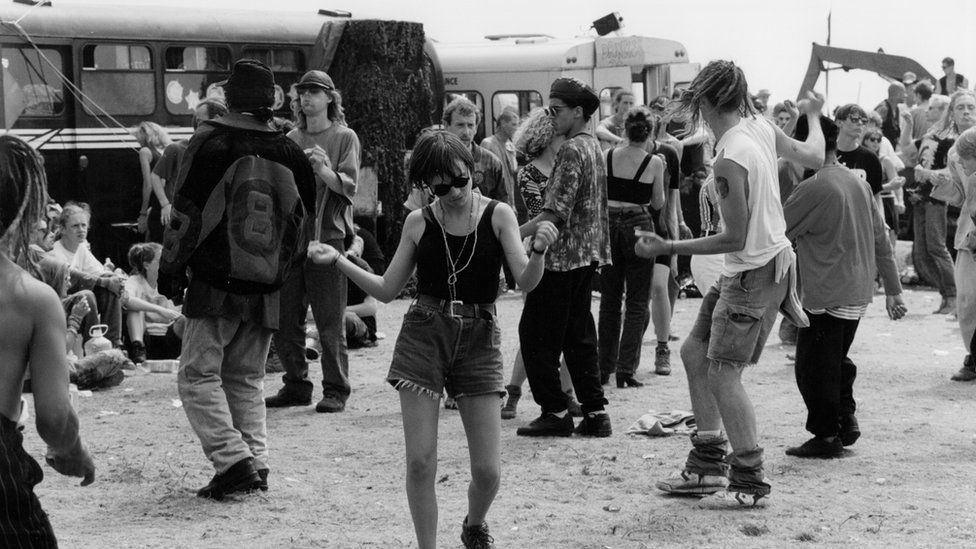
A bill intended to curb anti-social behavior sounds like a good idea on the surface, but when it comes with an undue emphasis on curbing alternative culture, there is cause for concern. The fast-growing rave scene was directly in the firing line, having come to a head with the infamous Castlemorton event, supposedly the biggest illegal rave in UK history. What started as a small event for the traveller community, spiralled out of control into a full-on festival.
Castlemorton triggered a governmental attack on music “predominantly characterised by the emission of a succession of repetitive beats.” The police now had the power to stop vehicles within five miles of a rave and to target gatherings of more than 100 people listening to music at night. So began the demise of the rave and traveller scenes.
Read: Vice’s How Uk Ravers Raged Against The Ban
2007 – Smoking ban in UK
The medical reasons for the 2007 smoking ban in the UK were well-founded, there’s no doubt about that. It was a natural conclusion of legislation to remove smoking from public places, encompassing workplaces, pubs, restaurants, work vehicles (i.e taxis) and, of course, nightclubs.
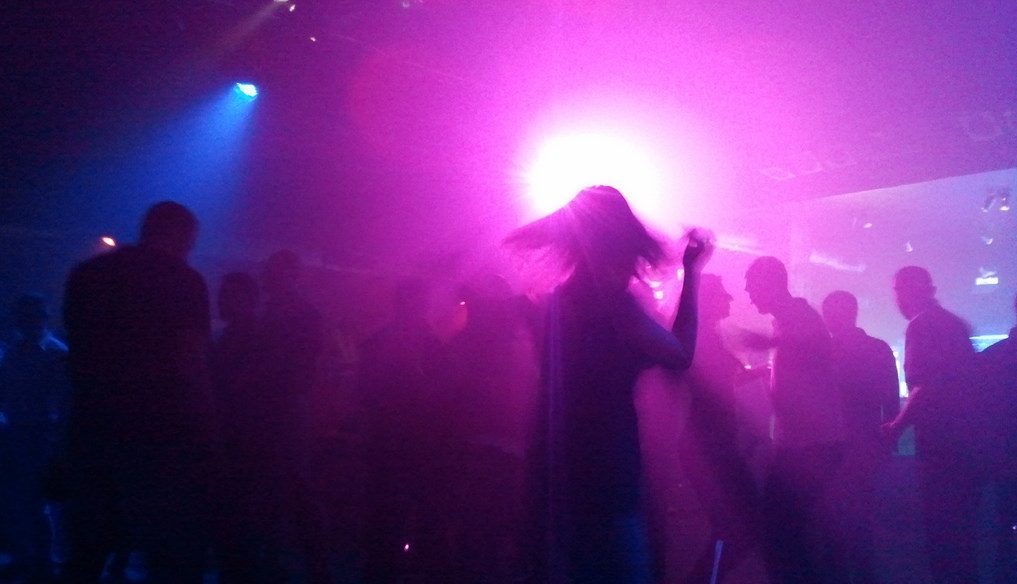
The ban had different kinds of effects on the dance music scene. It became easier to breathe, have conversations over a cigarette and your clothes didn’t smell as bad the next day, but there were downsides too.
DJs now had more pressure to keep you on the dance floor. The slow-moving, meditative styles of dance music suffered, as DJs turned to harder, more in-your-face sounds to keep the smokers from going out for their cigarette or spliff. It was also a nightmare for some smaller venues, who now had to herd ravers into cordoned off sections of the street.
Don’t get us wrong, this was the right decision for health reasons. But nonetheless, the atmosphere in clubs changed that summer, as more security would patrol the dance floor looking for smokers, and another bit of freedom was lost from clubland.
2020 – Coronavirus
There’s no escaping it, the pandemic has had our whole arts community in survival mode since March. Much will have changed when dancing returns but it’s too early for us to say exactly. For now, test negative and stay positive!
Read: GALA Pandemic Rave Culture

Stay updated!
Keep up to speed with the latest announcements and news straight to your inbox.