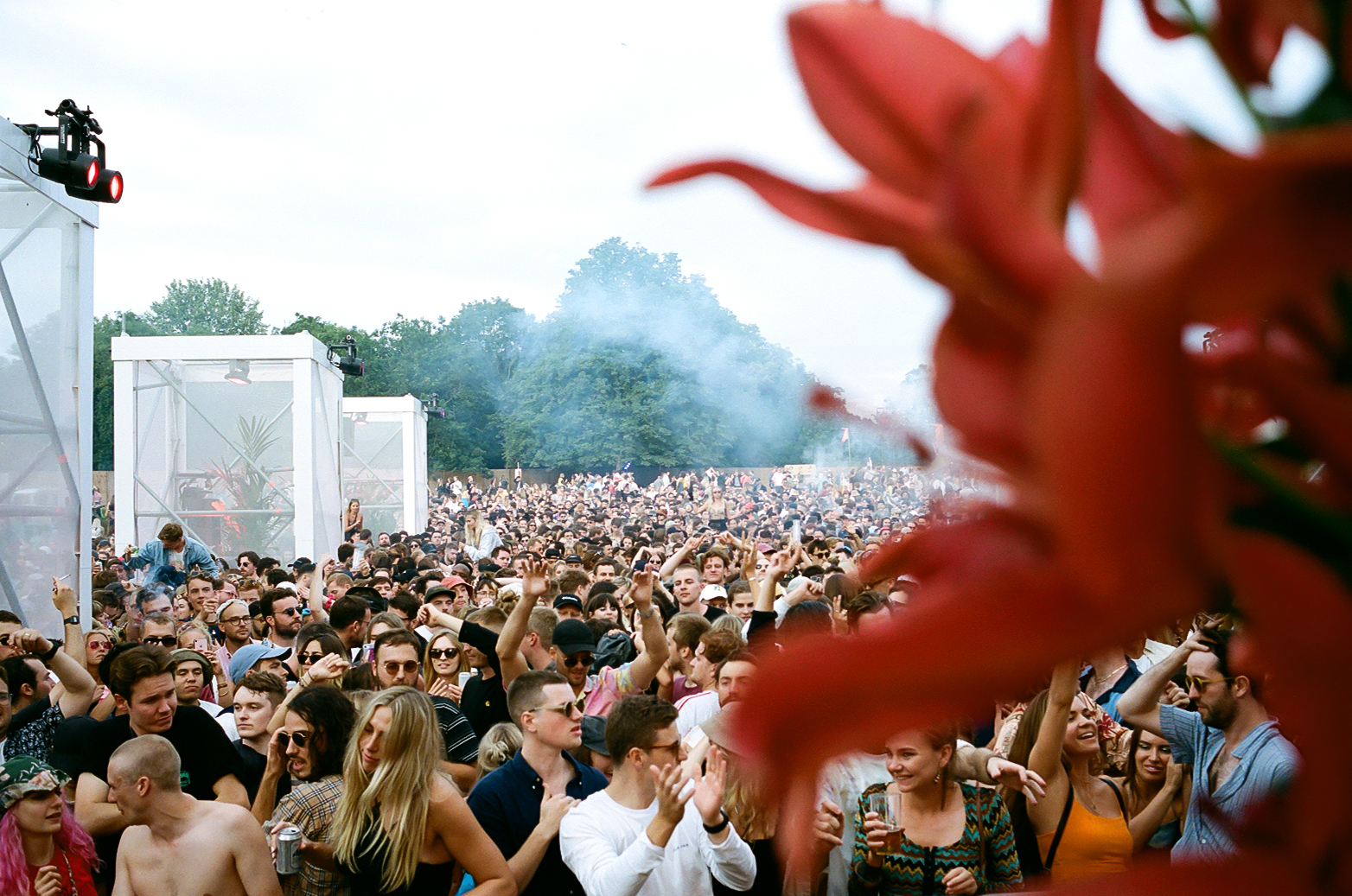











As we prepare to welcome two Detroit legends to GALA for the very first time, we hear from some other artists on the line-up who have been bowled over by Moodymann and Theo Parrish's contribution to modern music.
Moodymann and Theo Parrish: The Preachers’ Coming
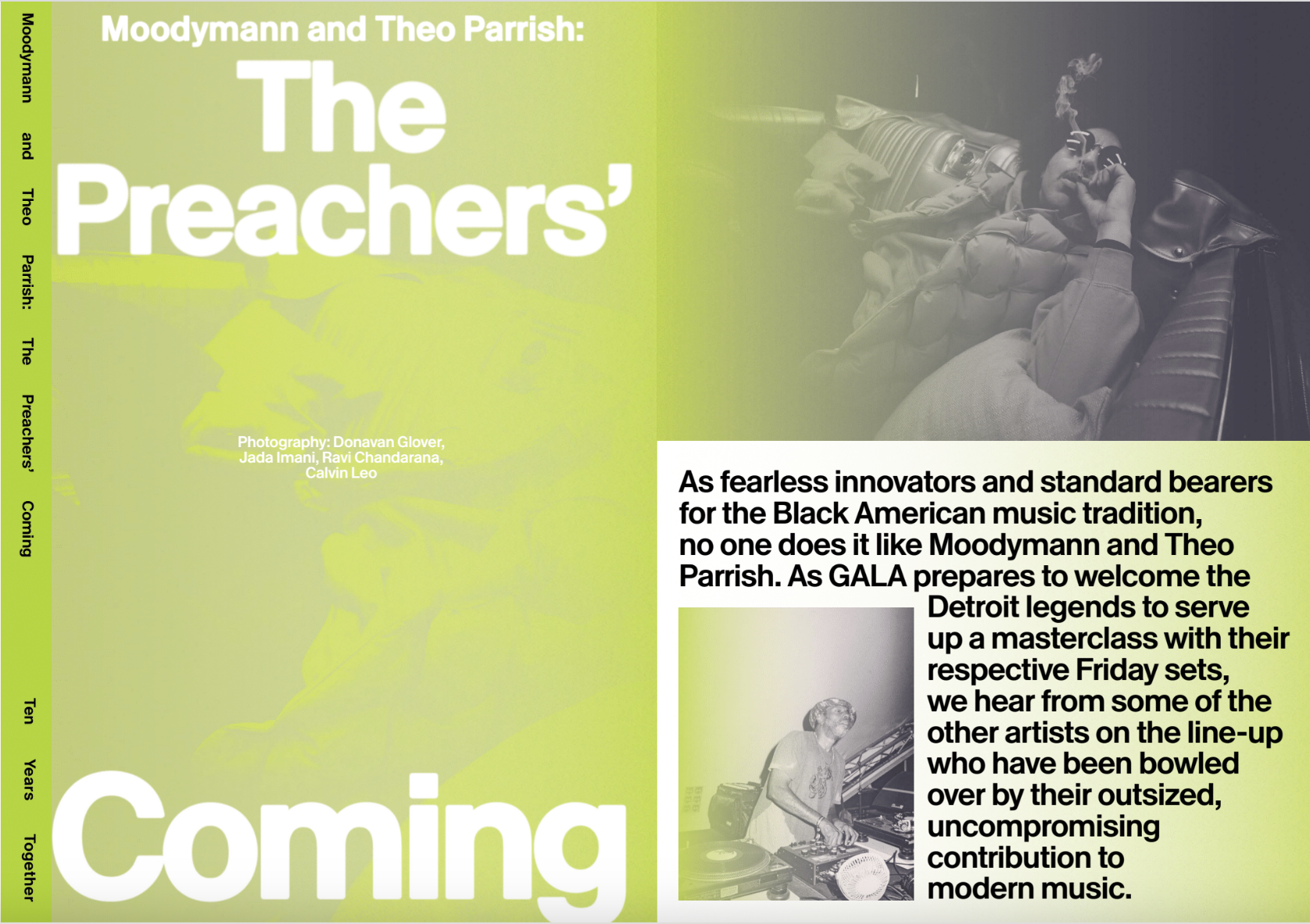
As fearless innovators and standard bearers for the Black American music tradition, no one does it like Moodymann and Theo Parrish. As GALA prepares to welcome the Detroit legends to serve up a masterclass with their respective Friday sets, we hear from some of the other artists on the line-up who have been bowled over by their outsized, uncompromising contribution to modern music.
Tearing down the walls of genre limitations and serving a fierce lesson in the Black American music tradition, no one does it like Theo Parrish and Moodymann. GALA is honoured to be welcoming the Detroit legends to the 10th anniversary celebrations to throw it down on the Friday, summing up everything true, vital and innovative about house music as a living breathing culture with deep roots and wide branches.
“One of the most moving nights still vividly ingrained in my brain is Theo playing Plastic People,” recalls Lakuti. The South African-born, Berlin-based DJ was living in London in the early 00s, when Theo Parrish was holding down a legendary residency at the equally legendary basement club with unrivalled sound in Shoreditch. “The place was heaving and he dropped a Larry Heard record, ‘What About This Love’, and people were in tears. There was a Japanese girl trying to climb over into the booth. I’ll never forget how emotional people were from hearing someone play that record.”
Lakuti’s memory is not an isolated incident. Throughout their careers, Theo Parrish and Moodymann have inspired feverish responses from party people through the sheer conviction they bring to their craft. When dance music can so often feel like an exercise in restraint and formula, here are two artists who present themselves unfiltered and unafraid to take risks to speak their truth. Since they both came up in the 90s as proud exponents of the Detroit music tradition, they’ve been mostly regarded as house music DJs and producers, but neither of them play up to any so-called rules in the studio or on the decks. From the samples they flip to the swerves they take mid-set, their whole vibe is about joining the dots through the Black music tradition from jazz and blues through soul, funk and disco up to house, techno and beyond.
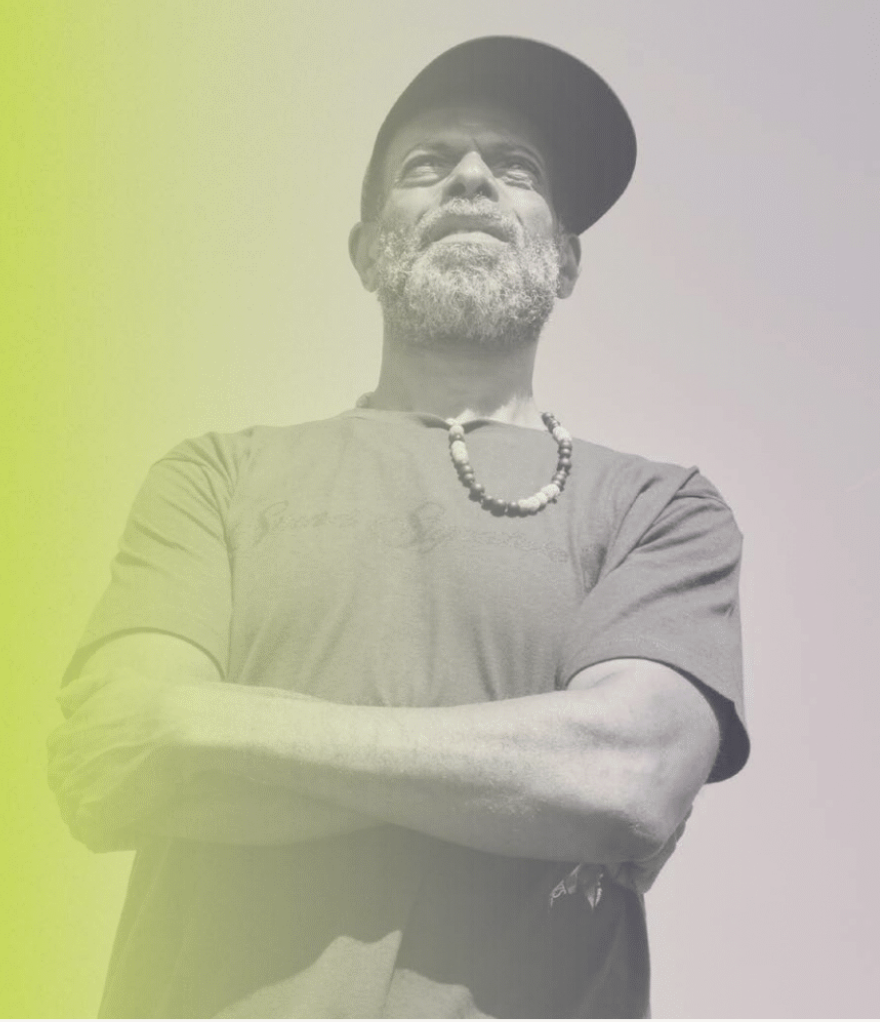 Theo Parrish
“I went to a party in Antwerp last November,” says Portuguese DJ Chima Isaaro. “It was supposed to be six hours of Theo Parrish, but it ended up being eight. It was my favourite time I saw him play because everybody was really connected and there was a communion between the crowd and the DJ. There was a kid not really dancing, but he was enjoying everything, always shaking his head, and he was always Shazamming everything. I was like, ‘Oh my god, this guy’s gonna go home and dig so much.'”
Both Moodymann and Parrish are renowned for the way they rep legends like Prince and James Brown in their sets, not least when faced with a crowd who might have turned up expecting some straightforward house beats. There’s a constant sense of education about the way they play, reaching from the foundations on which house was built to the political dimension of Black American music. “They motivate a lot of people to dig deeper, not only with music but also with political subjects,” says Lakuti’s partner Tama Sumo. “They are both very outspoken and not mincing their words, and people try to find out and try to learn.”
“When I started out as a DJ I loved opening sets with the Theo Parrish track ‘Ebonics’,” says Isaaro, “because it really resonated with me about what is culturally Black, especially in the context of house music.”

“Black dialect is an expressive, vivid, living language,” runs the mantra looping through ‘Ebonics’. “If we reject it, how little have we gained, and how much have we lost?”
From Marvin Gaye tributes to ecstatic edits of Minnie Ripperton, remixing Funkadelic to sampling Miles Davis, both Moodymann and Parrish operate in dialogue with their forebears and lead new generations of listeners to the true source of house music culture. “What I thought was really impressive about Moodymann is that he’s just very unapologetically Black and very Detroit,” says Suze Ijó, one of the most essential house DJs operating out of Rotterdam. “He and Theo bring where they’re from to the stage. They share their cultural history, make connections and show patterns to educate.”
As well as serving a deep lesson in the music, part of the unique appeal both Parrish and Moodymann offer to a party is their punk streak. In different ways, both artists take a cavalier approach to performance that cuts through self-serious posturing that litters the scene. Moodymann drops tracks out mid-set to chat on the mic with a relaxed shoulder shrug to the idea of the un-ending dance beat, while Parrish might swerve into two hours of spiritual jazz if the mood takes him. At times, their commitment to do what they want musically comes across as confrontational, but it’s always in pursuit of a higher purpose.
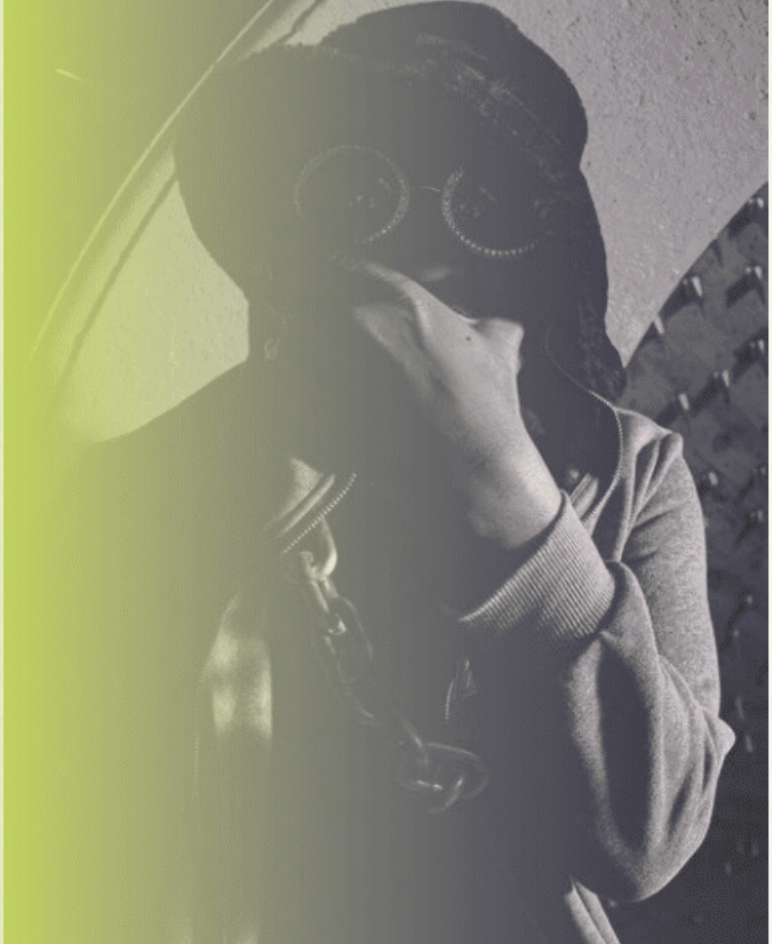 Moodymann
“At Plastic People, Theo would start playing trad jazz at peak hour,” recalls Lakuti. “I think this was a way of cleaning out who was not meant to be there. The room obviously was packed, and you would look around and see some people feeling very uncomfortable because they don’t know how to react to hearing somebody playing traditional jazz in a club, and you’d see them slowly moving away and up and out.”
“I saw Moodymann last year and the crowd was divided,” says Isaaro. “It was very bold—he was talking on the microphone, playing some obscure rock track, and then some RnB and then some mainstream song. There was the crowd that was impressed, and some people who were like, ‘When is he gonna start playing house?’ In the end he played one house track. He’s just saying, ‘I’m gonna deliver this. You either get it or you don’t.'”
It’s worth noting the difference between eclectic DJing and the kind of era-spanning selections you’ll hear from the Detroit school of house music, which extends to artists like Julion De’Angelo, Whodat, Marcellus Pittmann and the late, great Kelli Hand. When you hear a leap of 30 years between two tracks, from a lush disco orchestration to a rugged sampler jam, it’s the network of interconnected music history and culture behind the sounds that binds everything together as one cohesive expression. Within this mapped-out evolution of dance music there’s freedom to move around wildly and still make sense, and it’s artists like Moodymann and Theo Parrish that have helped inspire the approach. It’s certainly an inspiration that has fed through to the DJs who admire them.
“Before I even thought about it a lot of people were telling me, ‘Oh yeah, you should be a DJ,'” says Isaaro. “I always said I couldn’t because I like so many different things, and I would see a lot of DJs specialising in some type of sound. Theo Parrish’s DJ sets really opened my ears and my eyes, because it made me feel like you can be free, you can be bold and you can just be yourself.”
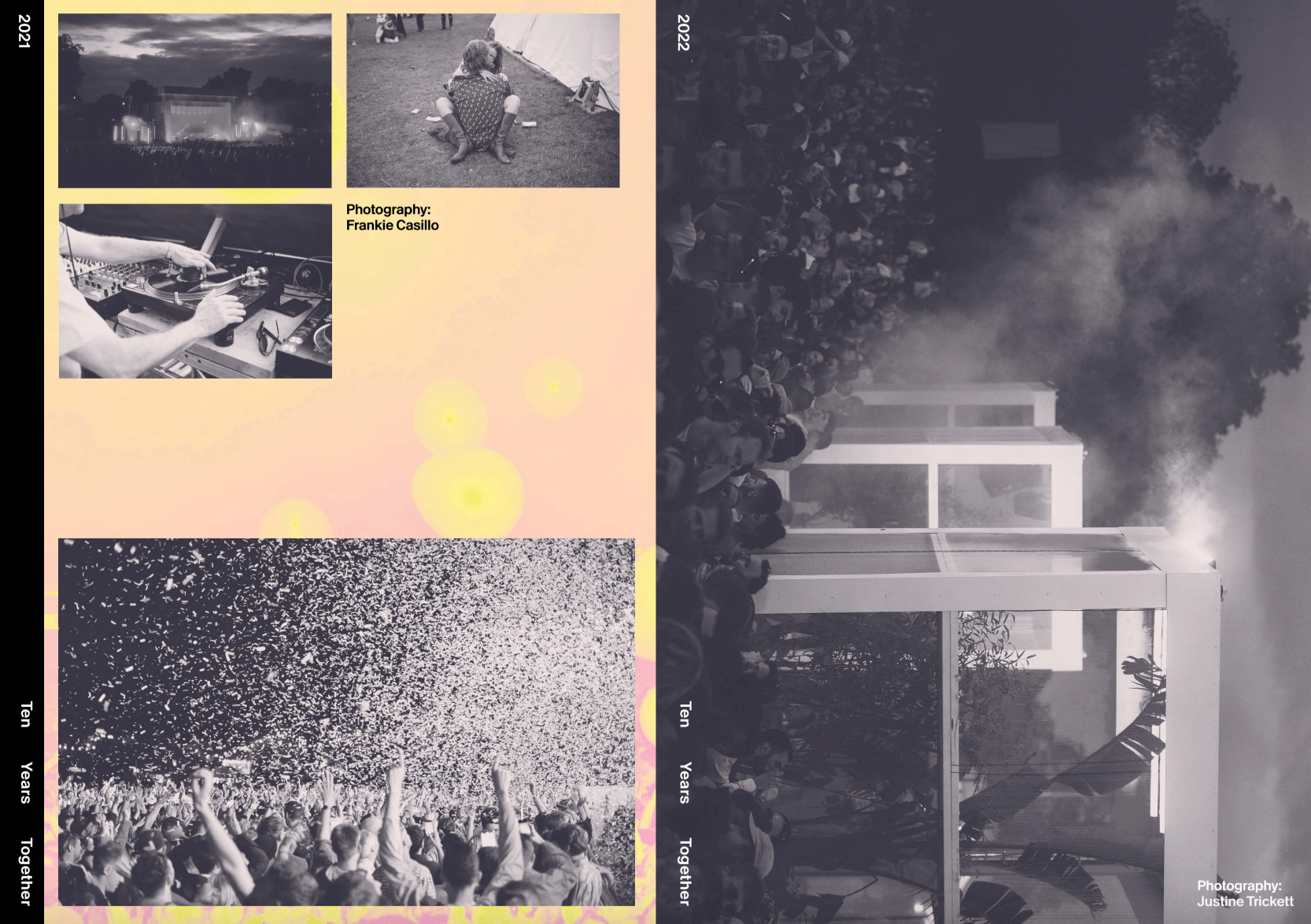 Ten Years of GALA
 Moodymann
When they come to GALA, Moodymann and Parrish will be playing their own sets on the Friday, with the latter taking control of the 1908 stage from open to close. For Suze Ijó, that kind of extended session is the ideal set up for a truly expressive, freewheeling DJ set. “I love longer sets. Two hour sets are kind of standardised, and it kind of demands getting to the point versus Moodymann or Theo playing at least four hours or whatever. A few years back in Brazil I had a set that started in a more traditional, expected way, but towards the end I was playing 17-minute jazz tracks or A Tribe Called Quest, and all these different things. People were very open to it, but for me it’s about getting them to get to that point. For those Detroit guys, most of the time people are rooting for them already.”
Tama Sumo relishes the non-conformist nature of Moodymann and Theo Parrish productions, no matter how tricky they might be to blend. “Their tracks are definitely more of a challenge than some others,” she admits, “but on the other side, DJing would be boring without having a challenge. If the track is amazing, I’d rather take the risk, and even if the mix would fuck up, I think it would be worth it.”
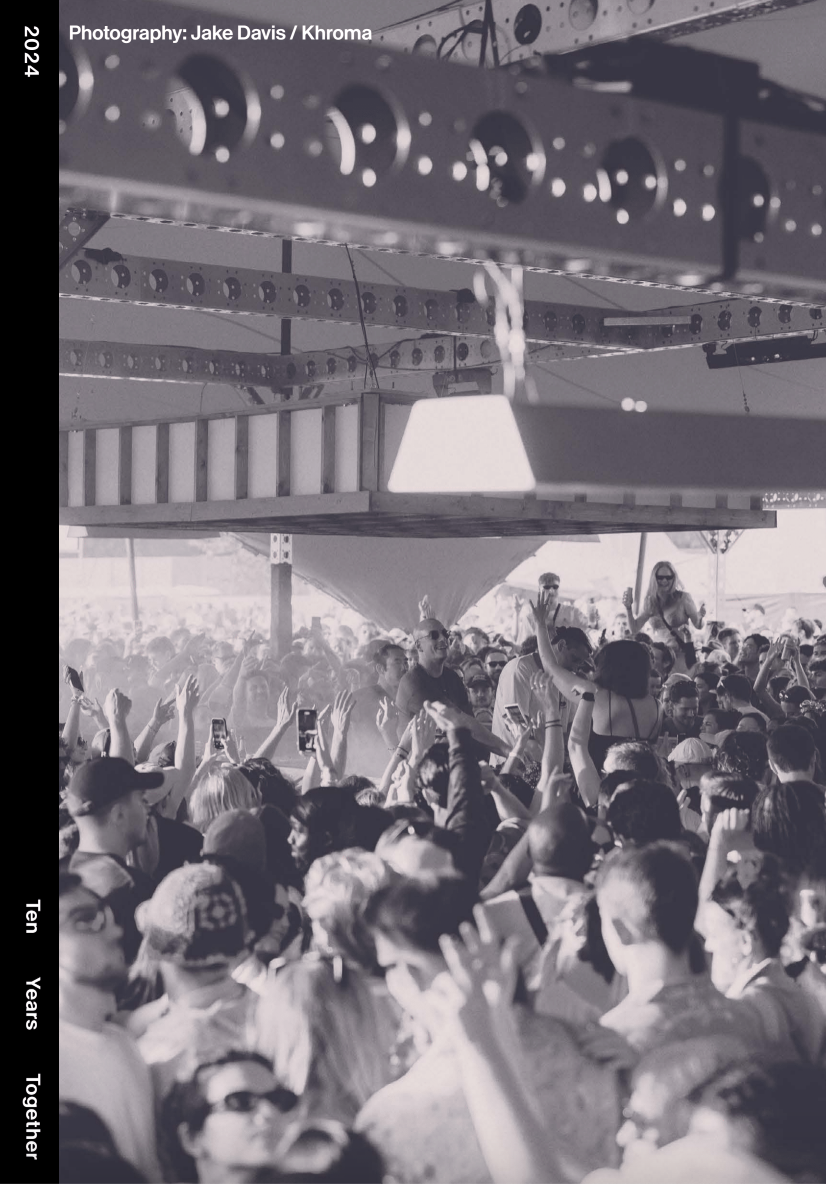 1908 Stage
High-stakes sets, maverick productions and a charisma that draws a crowd into an experience that hits deep — GALA’s ever-evolving dedication to the realest of the real is all the richer for the prospect of two such heavyweights gracing Peckham Rye Park. Lakuti sums it up perfectly, transcending the trappings of the boxes it’s all too easy to put music into.
“I always say there are roots and branches of house music, and Moodymann and Theo Parrish thread it all together. For me, it’s how it should be done. It’s music, you know? It’s not a genre.”
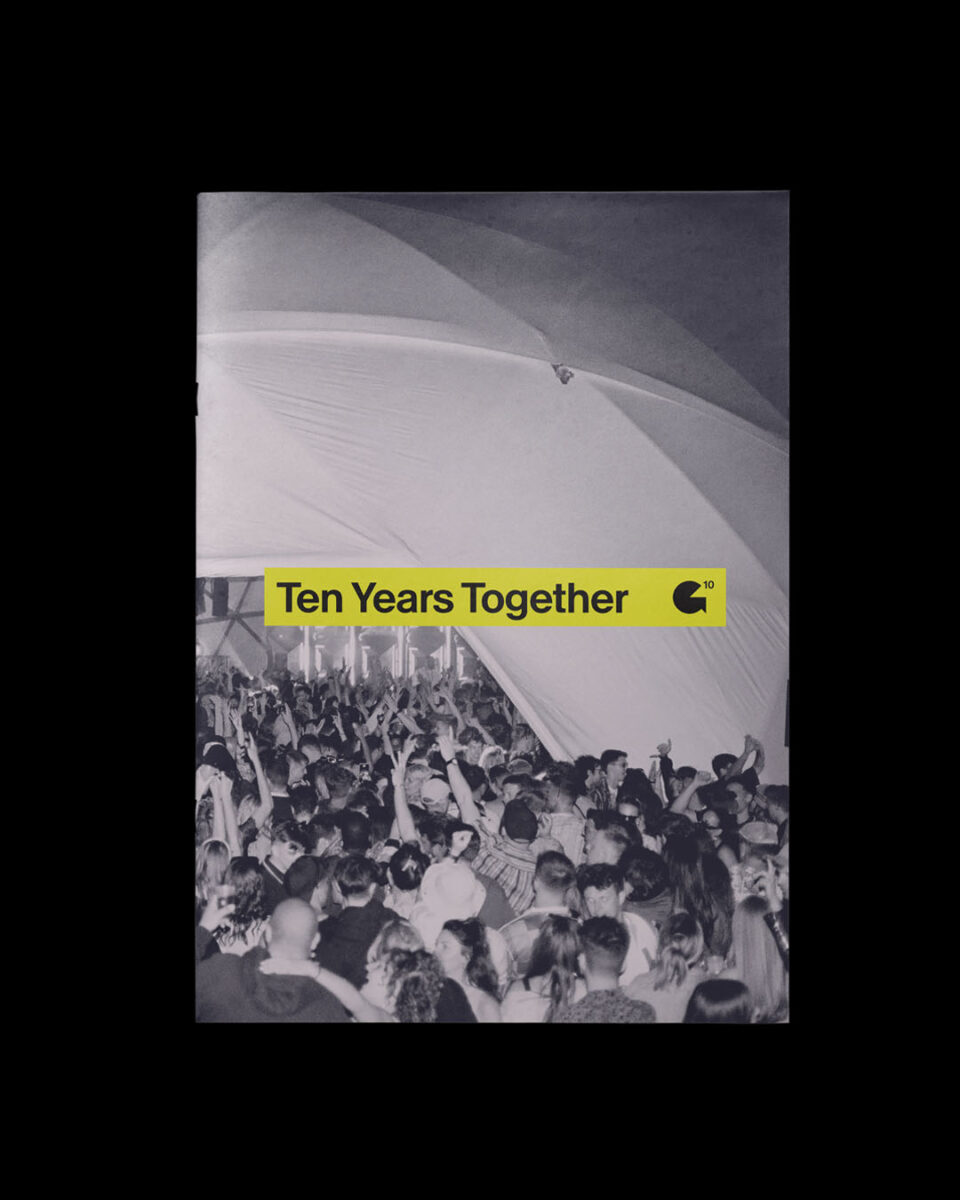
As featured in Ten Years Together – a GALA zine – available for free alongside Crack Magazine across May 2025.
Words: Oli Warwick
_
Moodymann & Theo Parrish play GALA’25 on Friday 23 May.


Stay updated!
Keep up to speed with the latest announcements and news straight to your inbox.